This seller does not ship to New South Wales (NSW), Queensland (QLD), South Australia (SA), Western Australia (WA), Tasmania (TAS), Northern Territory (NT), Australian Capital Territory (ACT).

| Product Name: | Purple orchid |
| Common Name: | N/A |
| Cultivar: | N/A |
$ 38.00 AUD
Free shipping
More from the store

Snake Plant/Snake snake

Monstera Deliciosa/Monstera deliciosa

Lavender/Leaf fig

Fiddle Leaf Fig/Leaf fig
Available in Bundles
This plant is also available in the following bundles.
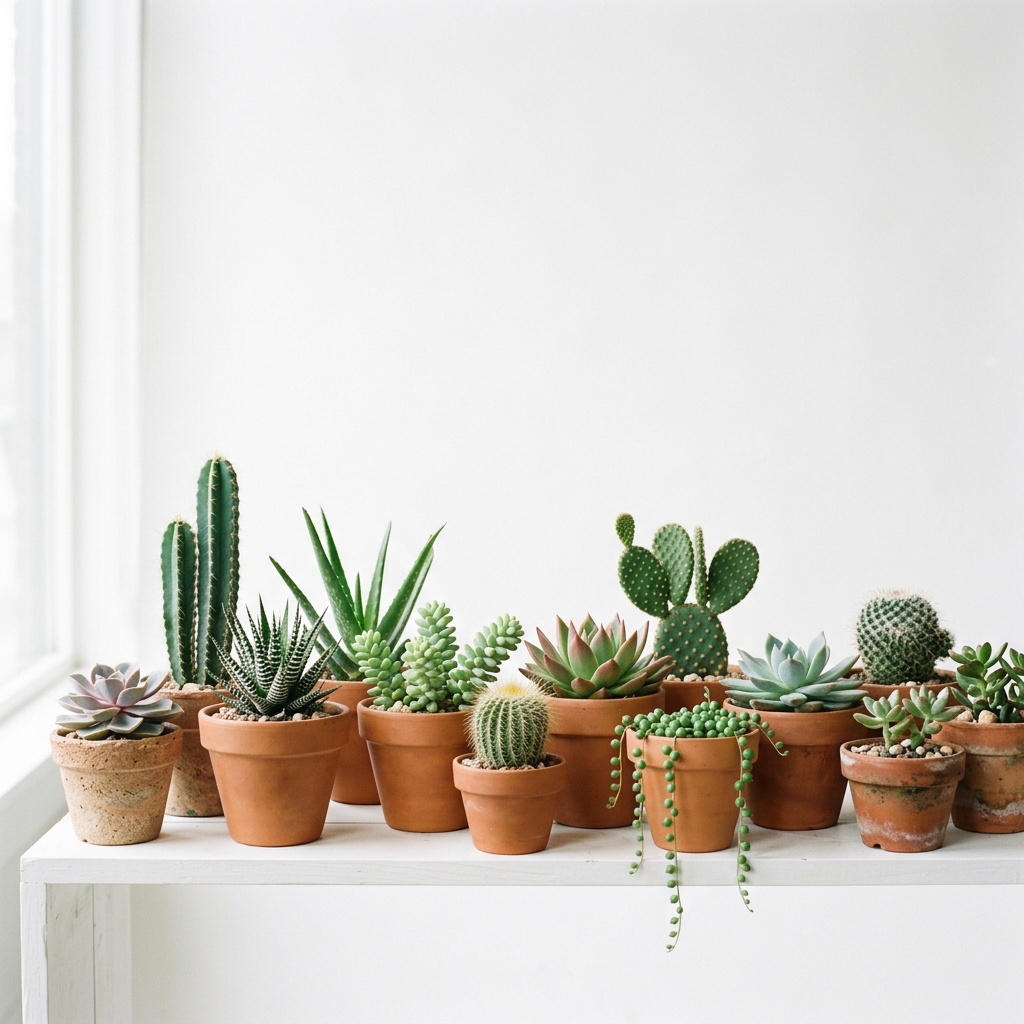
Tropical Starter Bundle
A curated collection of easy-care tropical plants perfect for beginners. Includes matching pot sizes and care instructions.
Indoor Greenery Collection
Bring life to every room with this hand-picked trio of low-light tolerant indoor plants.
Garden Essentials Pack
Everything you need to kick-start your outdoor garden — flowering favourites, foliage accents, and a feature specimen.
Understanding Plant Tests
Plant tests are assessments or experiments conducted to evaluate various aspects of plants, including their health, growth conditions, and responses to environmental factors. These tests can be essential for horticulturists, botanists, and agricultural scientists to ensure optimal growth and productivity.
Types of Plant Tests
Soil Tests:
These tests analyze the soil composition, pH level, nutrient content, and moisture levels. Understanding soil conditions helps in determining the right fertilizers and amendments needed for plant growth.
Plant Tissue Tests:
This involves analyzing the plant tissues (like leaves or stems) to assess nutrient levels. It helps in diagnosing deficiencies or excesses of essential nutrients.
Growth Trials:
These involve growing plants under controlled conditions to study how different variables (light, water, temperature) affect growth rates and overall health.
Pest and Disease Tests:
These tests identify the presence of pests or pathogens affecting plants. They can include visual inspections, trapping, and laboratory analysis.
Importance of Plant Tests
Conducting plant tests is crucial for several reasons:
- Optimal Growth: Ensures that plants receive the right nutrients and conditions for healthy growth.
- Disease Management: Helps in early detection and management of diseases and pests, reducing crop losses.
- Research and Development: Facilitates scientific research in plant breeding and genetics, contributing to the development of new plant varieties.
- Sustainability: Aids in implementing sustainable agricultural practices by understanding the interactions between plants and their environment.
Conclusion
Plant tests are an integral part of agriculture and horticulture, providing valuable insights that lead to better plant management and production strategies. By understanding and utilizing these tests, growers can enhance their practices and contribute to food security and environmental sustainability.
Care Instructions
Follow these detailed care instructions to keep your Elkhorn Fern thriving:
Mounting
Elkhorn ferns are epiphytic, meaning they naturally grow attached to trees. For best results:
- Mount on wood, cork, or similar materials
- Use sphagnum moss around the roots
- Secure with fishing line or plant-safe wire until established
Watering
Proper watering is crucial:
- Soak the root ball and shield fronds thoroughly when the moss feels dry
- Allow excess water to drain completely
- Reduce watering in winter
- Mist shield fronds occasionally
Light & Positioning
Place your fern where it receives:
- Bright, indirect light
- Protection from direct sun, especially midday
- Good air circulation