This seller does not ship to Western Australia (WA), Tasmania (TAS), Northern Territory (NT).


| Latin Name: | Hibiscus spp |
| Common Name: | Hibiscus |
| Cultivar: | Special |
$ 50.00 AUD
Most Popular

Platycerium bifurcatum Netherlands Elkhorn Fern Single Offset/Platycerium bifurcatum
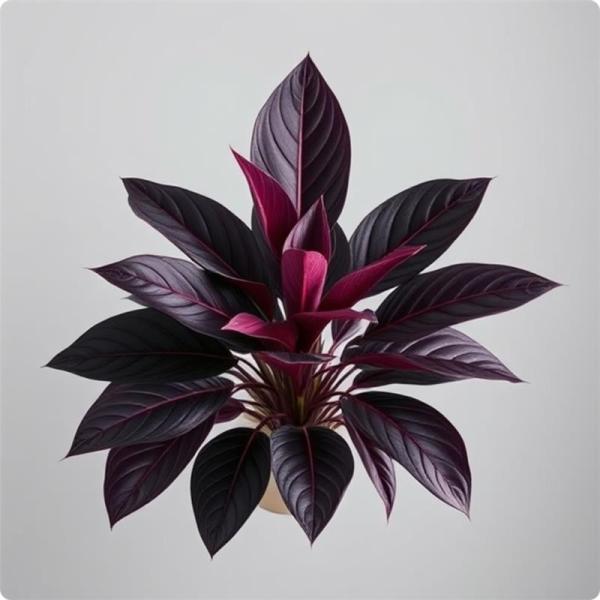
India New/Test tests
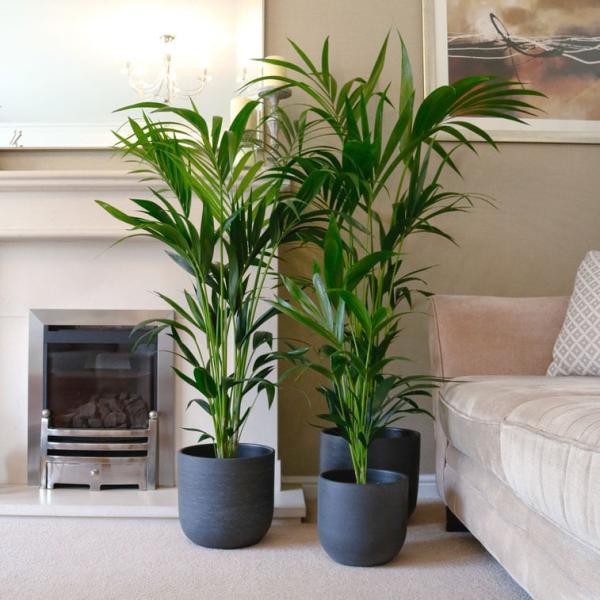
Pratyush/Pratyushtes tests

Jhgfd/Fghjklkjhgf dfghjkjhgfd
Hibiscus
The hibiscus is a genus of flowering plants in the mallow family, Malvaceae. Known for their large, vibrant flowers, hibiscus plants are popular in gardens and landscapes around the world. They are often associated with tropical and subtropical climates, but many species can also thrive in temperate regions.
Characteristics
- Flowers: Hibiscus flowers are typically large and showy, with a wide range of colors including red, pink, yellow, and white. The flowers can be single or double and often have a trumpet-like shape.
- Leaves: The leaves are usually glossy, dark green, and can be lobed or unlobed, depending on the species.
- Growth Habit: Hibiscus can grow as shrubs, small trees, or herbaceous perennials, depending on the variety.
Types of Hibiscus
There are several popular types of hibiscus, including:
- Hibiscus rosa-sinensis: Commonly known as Chinese hibiscus or tropical hibiscus, this species is often grown as an ornamental plant in warm climates.
- Hibiscus syriacus: Known as Rose of Sharon, this deciduous shrub is popular for its hardiness and ability to withstand colder temperatures.
- Hibiscus sabdariffa: Also known as roselle, this species is cultivated for its edible calyces, which are used to make beverages and jams.
Cultural Significance
Hibiscus flowers hold cultural importance in various regions. For example:
- In Hawaii, the hibiscus is the state flower and symbolizes beauty and hospitality.
- In many Caribbean cultures, hibiscus tea is a traditional beverage, known for its refreshing taste and health benefits.
Growing Hibiscus
If you're interested in growing hibiscus, here are some tips:
- Sunlight: Hibiscus plants thrive in full sun, so choose a location that receives at least 6 hours of sunlight a day.
- Soil: Well-drained soil enriched with organic matter is ideal for hibiscus.
- Watering: Keep the soil consistently moist, especially during dry spells, but avoid waterlogging.
- Fertilization: Use a balanced fertilizer during the growing season to encourage blooming.
Conclusion
The hibiscus is not only a beautiful addition to gardens but also has culinary and cultural significance in many parts of the world. Whether you're admiring their beauty or enjoying hibiscus tea, these flowers have much to offer!
Care Instructions
Follow these detailed care instructions to keep your Elkhorn Fern thriving:
Mounting
Elkhorn ferns are epiphytic, meaning they naturally grow attached to trees. For best results:
- Mount on wood, cork, or similar materials
- Use sphagnum moss around the roots
- Secure with fishing line or plant-safe wire until established
Watering
Proper watering is crucial:
- Soak the root ball and shield fronds thoroughly when the moss feels dry
- Allow excess water to drain completely
- Reduce watering in winter
- Mist shield fronds occasionally
Light & Positioning
Place your fern where it receives:
- Bright, indirect light
- Protection from direct sun, especially midday
- Good air circulation