.jpeg)
Winter Balcony Gardening in Australia: Best Plants for Small Spaces
Winter doesn't have to mean a lifeless or bare balcony. If you know which plants to pick for the season, you can turn your small outdoor spaces into a colourful show of winter flowering plants in Australia. Especially our native plants, which put their finest performance when temperatures are low and when the rest of the garden goes quiet.
In this blog, let's learn more about which plants to pick for small Australian balconies and courtyards, matched for your specific region, simple care tips to keep them thriving all winter, and new trends being adopted while planting for small spaces.

Why Winter Is Actually a Great Time to Garden in Your Balcony
- Less watering required.
- Fewer pests.
- Stronger root growth.
- Ideal conditions for herbs and cool-season vegetables.
- Easier plant establishment before summer heat arrives.
What To Look for in Winter Balcony Plants in Australia
Before you decide on which winter plant to pick for your balcony, you should ask these 3 questions:
- Does the plant flower or look good during winter?
- Can the plant thrive in a pot without drying out?
- Does it suit your specific climate?
The last point is crucial because what thrives on a Sydney balcony in July might completely fail in Cairns or Canberra due to drastically different climate zones.
Best Native Balcony Plants in Australia for This Winter
Australian Natives are the star performers here. Most native species have evolved and adapted to different conditions. They can thrive in containers and outperform other exotic plants, requiring little attention.

Climate-Resilient Native Plants For Full-Sun Positions
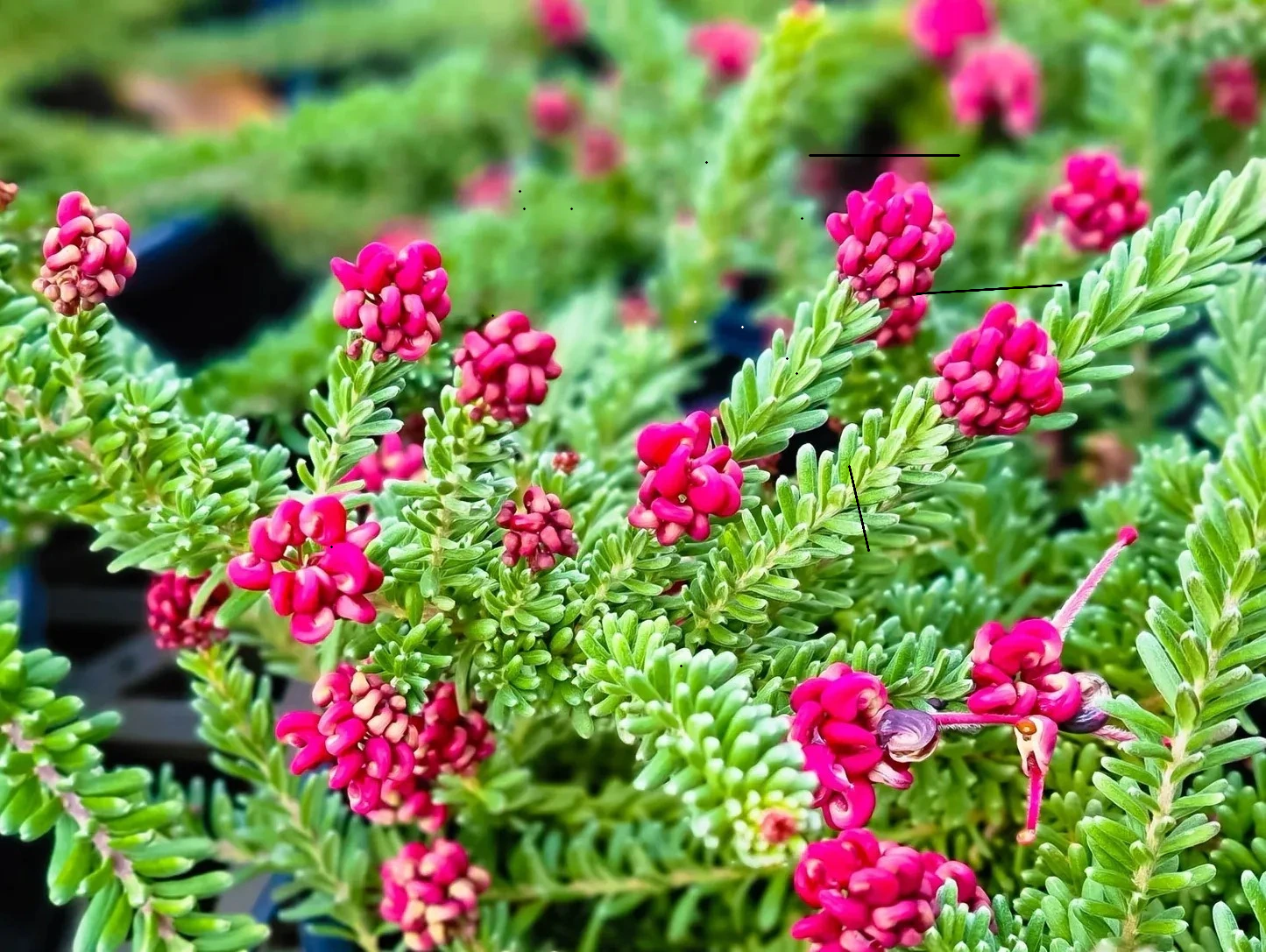
Grevillea lanigera ‘Mt Tamboritha’
Grevillea lanigera is a naturally compact plant that grows up to 30–50 cm high and is excellent for containers and hanging edges. Its extreme hardiness makes it perfectly suited for container living, and its spider-like blooms in pink and cream attract birds and bees and is well-suited for balconies.
Banksia spinulosa ‘Birthday Candles’
This dwarf native usually grows up to 40–60 cm tall and is ideal for pots. It flowers heavily during cooler months and attracts birds and pollinators. Its dense and cylindrical flower spikes grow upright above the dark green, needle-like foliage. It is an absolute show-stopper for your small balcony.
Kangaroo Paw – ‘Bush Ranger’ (Anigozanthos hybrid)
Bred specifically for compact spaces and pot culture, this variety of Kangaroo Paw reaches 40–50 cm and flowers with deep red and yellow flowers from late autumn and may continue flowering through winter in warmer regions. Winter flowering is often reduced in cooler climates.
A free-draining native potting mix will do the job. Particularly good on north-facing balconies.
Westringia ‘Wynabbie Gem’ (Westringia fruticosa)
A coastal rosemary lookalike that flowers in soft lilac-white almost continuously, including through winter. It handles salt air, wind, and full sun, making it excellent for exposed apartments. Grows well in a 25–30 cm pot and requires little attention once established.
Callistemon ‘Little John’ (Callistemon viminalis)
This plant is a dwarf variety of the bottlebrush shrub, usually staying under 1 metre tall, and flowers mainly during spring and summer, with occasional flowering outside these periods depending on the climate. Late winter flowering is not guaranteed.
It is also one of the best container bottlebrushes available, and a favourite with native bees and honeyeaters alike. It is tough, drought-tolerant once established, and handles frost well.
Shade-Loving Native Balcony Plants in Australia
Scaevola aemula ‘Fan Flower’
The Scaevola aemula’s trailing habit makes it perfect for hanging baskets. And if your winters are frost-free, you can see flowering during late winter through the entire summer. It is compact and balcony-friendly, and a more hardy plant than it looks. It is best to be potted in sandy soil.
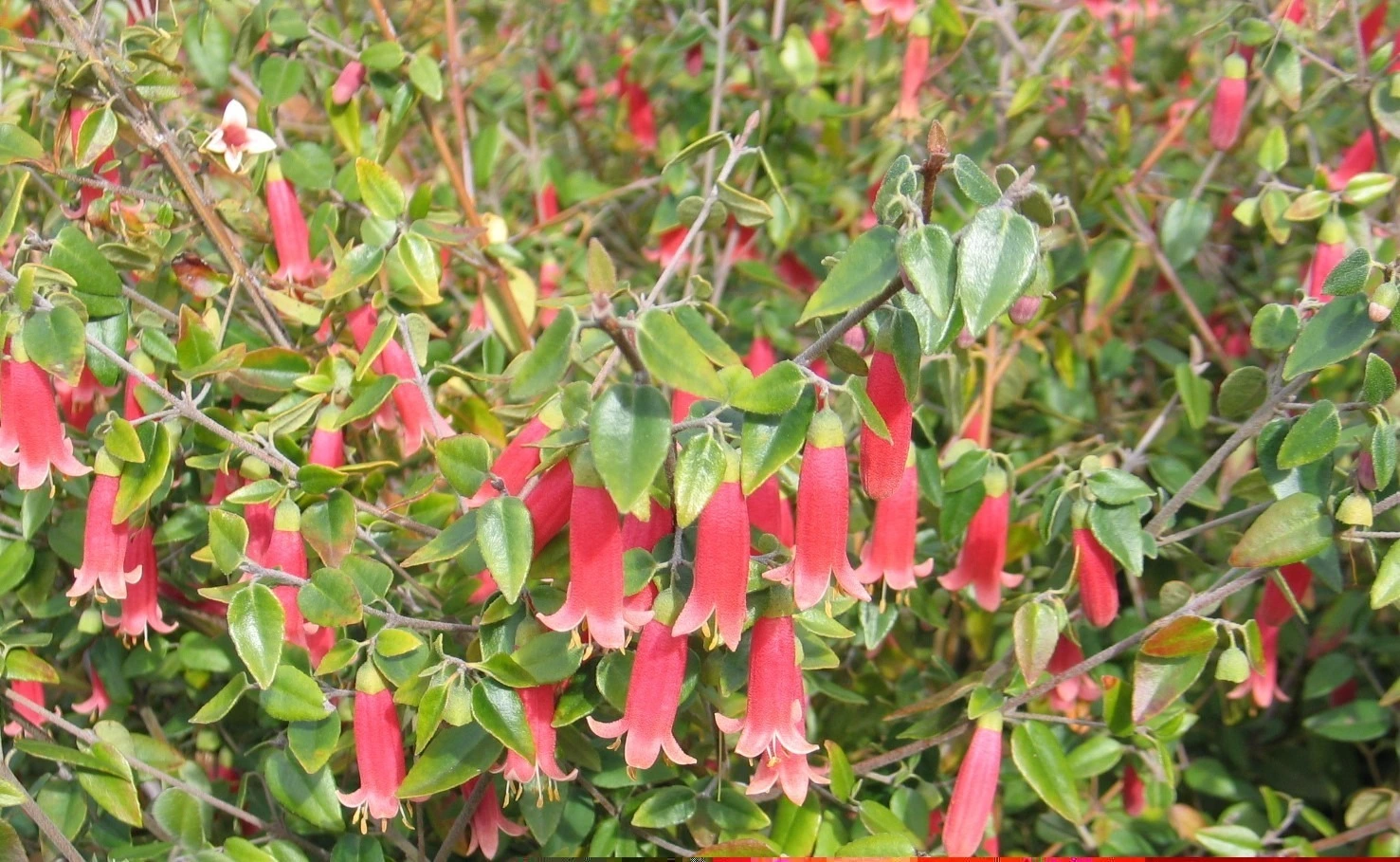
Correa ‘Dusky Bells’ (Correa hybrid)
This is arguably the best shade-tolerant native plant suited for coastal regions. It produces pendant-like, dusty-pink and white bell flowers from May to August and thrives in dappled light or morning sun only. A naturally compact shrub for a winter balcony, it can reach around 60 cm in a pot. It is a magnet for Eastern Spinebills and other small honeyeaters.
Native Violet (Viola hederacea)
This hardy evergreen native works perfectly well as a ground cover or lush carpet for large mixed containers or hanging baskets. It produces pretty, delicate white/purple flowers all year-round. It handles shade well and is well suited for south-facing or heavily shaded balconies.

Pollinator-Friendly Plants in Australia for Winter
If you like a flurry of activity around your balcony or courtyard, and want to attract bees, butterflies and native birds, these are the perfect picks:
- Grevillea lanigera ‘Mt Tamboritha’
- Banksia spinulosa ‘Birthday Candles’
- Correa ‘Dusky Bells’
- Kangaroo Paw ‘Bush Ranger’
- Callistemon ‘Little John’
These plants are widely recognised for attracting bees, butterflies and nectar-feeding birds to Australian gardens.
Best Non-Native Winter Flowering Plants for Pots
There is no hard-and-fast rule that you only plant natives during winter; some non-natives are great winter performers in containers, and they blend beautifully when paired with natives.
As a rule of thumb, always cross-check with your state’s invasive species register before planting – what’s fine in Victoria can be declared a weed in Queensland.
Cyclamen (Cyclamen persicum)
Known as one of the classic winter container plants in Australia for good reason. It is available in white, pink, red, and purple cyclamen flowers that grow from late April through August and prefer a cool, partially shaded spot. Ensure you keep it out of direct afternoon sun and water only when the top of the potting mix feels dry – overwatering this plant is the main cause of root and tuber rot, which eventually leads to fungal death.
Pansies and Violas (Viola × wittrockiana / Viola cornuta)
Pansies and Violas are unbeatable for colour impact on a budget and are commonly used to brighten up gardens during winter. Plant in late autumn for a full winter display, and deadhead every week or so to keep the flowers coming. Both plants handle light frosts and work well in window boxes, hanging baskets, and deep trays.
Snapdragons (Antirrhinum majus)
Snapdragons are underrated as winter container plants. They are cool-season bloomers that easily survive light frosts and cold temperatures down to mid-20s °F. Choose a dwarf variety for smaller pots, and taller varieties often need staking (to provide physical support so they stay upright) in windy positions.
Lavender (Lavandula spp.)
While it is ideal to plant Lavender in spring and summer, the English lavender (Lavandula angustifolia) maintains good foliage even in winter and produces early spikes in the last weeks of July in warmer regions. Place it in full sun and a well-draining pot. Do not overwater.
Lavender is also a great addition if you want to keep pesky insects like mosquitoes at bay. On the other hand, it is a magnet for pollinators such as bumblebees, honey bees, and butterflies.
Which Plants Suit Your Region? A State-by-State Winter Guide
Australia’s winters vary across states and territories. Here’s how to adjust your plant choices based on where you actually live.
Tropical and Subtropical (QLD / NT / Northern WA)
Your “winter” is mild and dry – minimum temperatures rarely below 10°C.
This is actually peak growing season, and almost any plant on this list will thrive. Focus on: compact Grevilleas, Banksia ‘Birthday Candles’, Kangaroo Paw, and annual colour plants like pansies and snapdragons.
Frost protection is not a concern here, but be aware that some temperate plants (like cyclamen) may not perform as well in your warm nights.
Temperate (NSW / ACT / Central VIC)
This is where the plant list above was largely written for. Winters are cool but generally manageable, with occasional frosts in elevated or inland areas. Use all the natives confidently. For exposed positions, protect cyclamen and pansies on nights below 2–3°C. In the ACT specifically, bring tender pots under cover when temperatures drop below –2°C.
Mediterranean (Southern WA / SA)
Cool, wet winters with dry summers – actually ideal conditions for most of the natives on this list. Compact Grevilleas, Correas, Banksia ‘Birthday Candles’ and Westringias love this climate. Drainage is critical in winter; raise pots slightly off the ground to prevent waterlogging during heavy rain.
Cool Southern (Southern VIC / TAS)
Real winters here, with sustained cold periods and frosts that can dip to –5°C or lower in exposed positions. Focus on: Callistemon ‘Little John’ (frost-hardy), Native Violet (handles cold well), and pansies and violas in sheltered spots. Move frost-sensitive compact Grevilleas against a north-facing wall for added warmth. In Hobart and elevated areas, keep a frost cloth handy for the coldest nights.
Note: Winter temperatures can vary significantly even within a single city, depending on your floor level, building orientation, and wind exposure. Observe your specific balcony microclimate for one season before making permanent planting decisions.
Winter Care Essentials: Pots, Watering, Soil and Frost Protection
Choosing the Right Pot and Soil
Terracotta pots look beautiful but dry out faster than glazed ceramic or plastic – in winter, this matters less, but they also crack in hard frosts. For cool-southern climates, use frost-rated ceramic or thick-walled plastic pots. A pot 25–35 cm deep is the minimum for most shrubby natives; Grevilleas appreciate 40 cm or more.
Use a quality native potting mix – it’s lower in phosphorus and drains more freely than standard mixes. For non-natives like cyclamen and pansies, a standard premium potting mix with added perlite works well.
Watering in Winter
The biggest mistake in winter is watering on a summer schedule. Most potted plants need watering once every 7–10 days in winter, sometimes less. Check by pressing your finger 2–3 cm into the potting mix: if it feels damp, wait. Overwatering in cool conditions is the most common cause of root rot.
Fertilising
Australian natives should not be fertilised with standard fertilisers during winter – they’re not actively growing, and phosphorus build-up can damage roots. Resume feeding with a native-specific slow-release fertiliser in early spring.
Non-natives like pansies and cyclamen benefit from a liquid potash-based fertiliser every 2–3 weeks through winter to support flowering.
Frost Protection
For balconies in temperate and cool-southern zones:
- Move pots against a north-facing wall.
- Cover sensitive plants with frost cloth.
- Avoid fertilising before frost events.
- Protect terracotta pots from cracking.
A Quick Note on Edible Balcony Gardens in Winter
Winter is one of the best seasons for edible container gardening. Herbs like parsley, chives, and silverbeet grow well in pots during the cooler months across most of Australia.
In subtropical regions, you can also grow leafy greens, Asian vegetables, and cherry tomatoes well into winter. For cool-southern climates, focus on cold-tolerant options like kale, spinach, and winter herbs.
If growing anything for your kitchen, always confirm you’re buying a food-safe variety – some ornamental plants share common names with edible ones.
Trends in Small-Space Balcony Gardening Right Now
Below are some trends that are catching up in 2026:
Climate-resilient planting is the biggest shift. More gardeners are choosing plants suited to their actual local conditions rather than the idealised “garden-magazine garden.” Australian natives are benefiting enormously from this – they’re increasingly seen not as a substitute but as the obvious choice.
Pollinator-conscious design is moving from niche to mainstream. Growing plants that actively support bees, butterflies, and native birds has gone from an environmental statement to a practical design brief, especially in cities where “pollinator corridors” matter.
Vertical and tiered container systems are solving the space problem on small balconies – wall-mounted planters, tiered pot stands, and railing-mounted boxes allow for far more planting density without floor space.
We hope you enjoyed our guide to small space gardening in Australia. Follow PlantArk on Instagram for more such useful insights on gardening best practices.
Final Thoughts
A small balcony or courtyard doesn’t have to become dull during winter. By choosing plants suited to your local climate and growing conditions, you can enjoy colour, flowers, wildlife and fresh greenery throughout the cooler months.
Australian natives are particularly rewarding, offering low-maintenance beauty while supporting local birds, bees and other pollinators.
Whether your space is sunny, shaded, tropical or frosty, there is always room for a thriving winter garden.
Frequently Asked Questions
What grows well in winter in Australia?
In most Australian regions, Grevillea, Correa, Kangaroo Paw, Westringia, and Callistemon are reliable winter performers in containers. Non-natives like cyclamen, pansies, and snapdragons are excellent seasonal additions.
Can I leave plants on my balcony in winter?
In most Australian cities, yes – most plants on this list are suited to outdoor conditions year-round. In cooler southern regions and at higher elevations, move frost-sensitive pots to a sheltered wall on the coldest nights and use frost cloth when temperatures drop below –2°C.
What are winter-flowering native plants in Australia for containers?
Compact cultivars bred for pot culture include Grevillea lanigera ‘Mt Tamboritha’, Banksia spinulosa ‘Birthday Candles’, Kangaroo Paw ‘Bush Ranger’, Westringia ‘Wynabbie Gem’, Callistemon ‘Little John’, and Correa ‘Dusky Bells’.
Do Australian native plants for pots need a special potting mix?
Yes. Use a quality native potting mix that is low in phosphorus and drains freely. Standard potting mixes can cause fertiliser burn in natives due to their higher phosphorus content.
When should I fertilise my balcony plants in winter?
Hold off on fertilising Australian natives through winter – resume in early spring with a native-specific slow-release fertiliser. Flowering annuals like pansies and cyclamen can be fed every 2–3 weeks with a liquid potash fertiliser to sustain winter blooms.